The MIX Institute
Mixture Modeling, Longitudinal Analysis, and Quantitative Research Training
About the Institute
The MIX Institute
The MIX Institute is a methodological research initiative dedicated to advancing mixture modeling and longitudinal data analysis in the behavioral and social sciences.
The institute conducts methodological research on latent variable modeling frameworks—including latent class analysis, latent profile analysis, and latent transition analysis—while supporting simulation studies, reproducible analytic workflows, and collaborative research projects.
In addition to methodological research, the MIX Institute provides structured research training for students and hosts a quantitative methods workshop series designed to strengthen the infrastructure of quantitative research in the social sciences.
.
Institute Programs
Meta Analysis Research
Collaborative literature synthesis examining how mixture and longitudinal models are implemented across applied research.
Learn More →
Secondary Data Research
Research projects using curated datasets from education, psychology, and related fields.
Methods Workshop Series
Workshops and invited talks on quantitative methods, statistical tools, and research careers.
Mentorship
Mentorship & Training
The MIX Institute provides structured research training for students interested in quantitative methods and statistical modeling. Students participate in collaborative research projects while developing the skills required to conduct independent research.
Research assistants contribute to ongoing projects within the Institute’s research programs, including literature synthesis initiatives and secondary data research. Through these activities, students gain experience working with scientific literature, statistical software, and research workflows.
Students participating in the Institute develop experience in:
- quantitative research methods
- statistical programming
- literature synthesis and meta-analysis
- research design and project development
- academic communication

Collaboration
Collaboration
The MIX Institute participates in collaborative research contexts that extend student training beyond the Institute’s internal projects while exposing students to interdisciplinary research environments.
Students affiliated with the Institute have benefited from collaboration with the Psychometrics, Research, and Evaluation Promoting Adaptation, Resiliency, and Education (PREPARE) Lab at California State University, Northridge. Through this relationship, PREPARE Lab provided research datasets and project guidance that supported student-led research projects, including conference submissions and related scholarly work. These collaborations allowed students to work with real research data while developing analytic skills and experience preparing research for academic presentation.
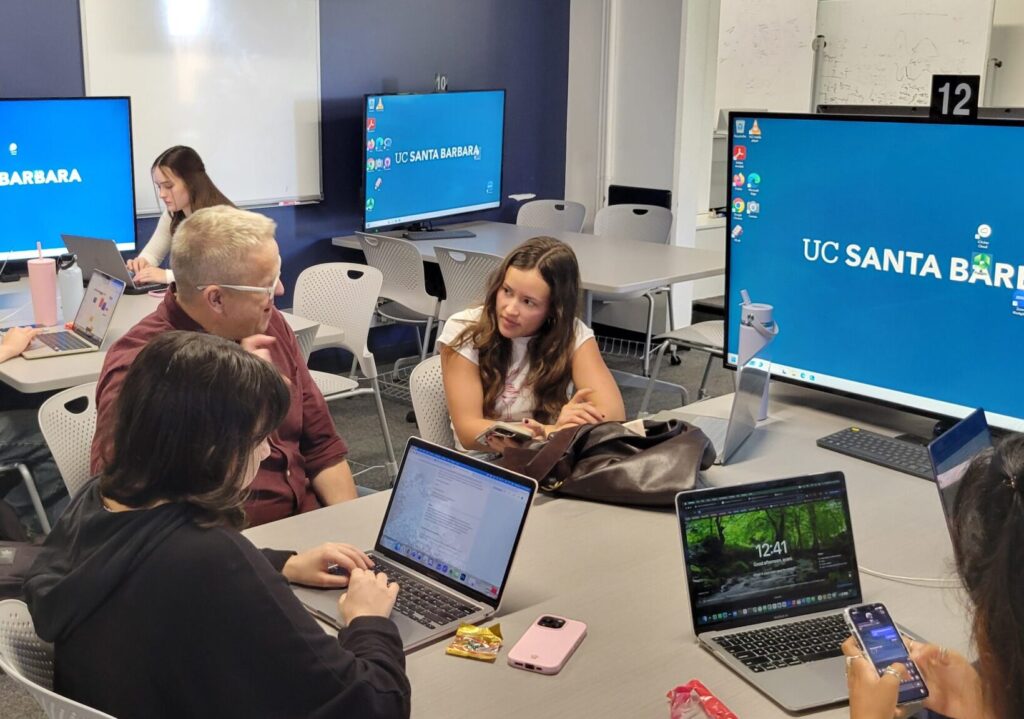
Students have also engaged with the Mixture Modeling Training for Discipline-Based Education Researchers (MM4DBERS) connected to the University of California, Santa Barbara, particularly in the areas of physics and chemistry education. In this work, students conducted literature reviews and examined existing educational research to identify where mixture modeling approaches had already been used and where they might be productively applied in the future—especially within intervention-focused research contexts.
Through this cross-disciplinary work, students gained experience synthesizing research literature, identifying methodological opportunities across fields, and exploring how mixture modeling approaches might be integrated into discipline-based education research.
Research Opportunities
Join The Mix Institute
The MIX Institute welcomes students interested in quantitative methods, statistical modeling, and collaborative research. Students who join the Institute participate in structured research training while contributing to ongoing methodological and applied research projects.
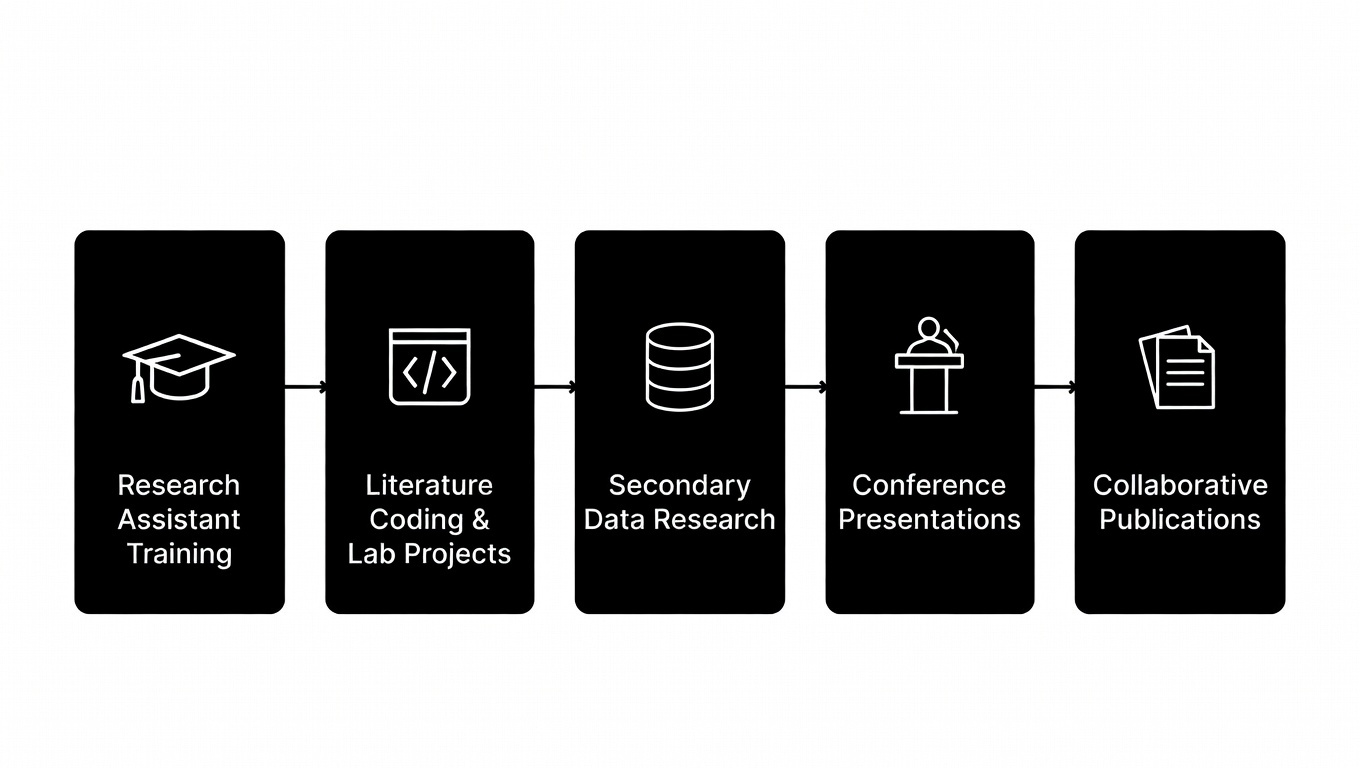
Research assistants work on projects related to mixture modeling, longitudinal analysis, literature synthesis, and secondary data research. Students may also contribute to conference presentations and collaborative publications as they progress through the Institute’s research training pipeline.
Students interested in joining the Institute or learning more about research opportunities are encouraged to reach out for additional information.