Delwin Carter, Ph.D.
Quantitative Methodologist
Mixture Modeling • Longitudinal Analysis Simulation Methods • Reproducible Research
Research Focus
Mixture Modeling
Latent class, profile, and transition models for studying heterogeneity in psychological and developmental data.
Simulation Studies
Monte Carlo simulations evaluating statistical performance of longitudinal mixture models.
Reproducible Research
Transparent computational workflows integrating statistical modeling, simulation, and reproducible reporting.
About
Delwin Carter, Ph.D.
I am a quantitative methodologist whose research focuses on mixture modeling, longitudinal analysis, and simulation-based evaluation of statistical methods. My work examines how complex data structures can be modeled in ways that better capture heterogeneity, developmental change, and measurement uncertainty.
My path into quantitative methodology was not linear. Early challenges with statistics shifted through mentorship and guided research experience, ultimately leading to a sustained focus on methodological rigor and analytic clarity. Today my work centers on mixture and longitudinal modeling, where I use simulation studies and latent variable techniques to evaluate statistical performance and improve the application of advanced models in developmental and educational research.
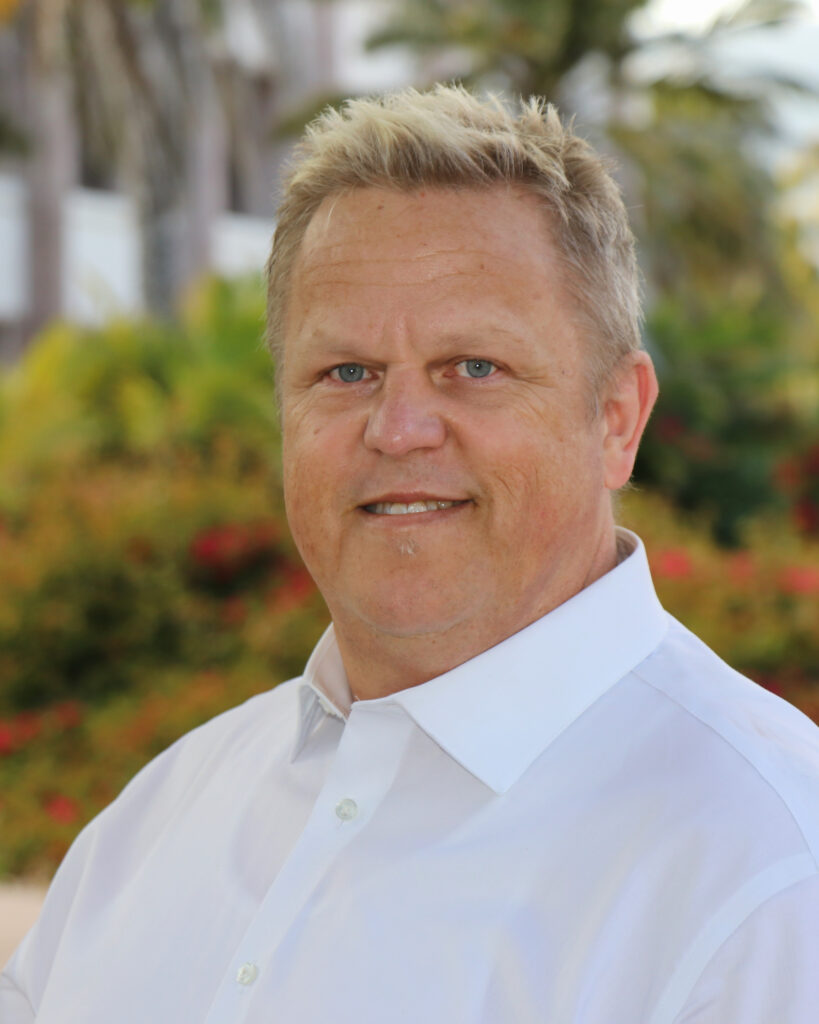
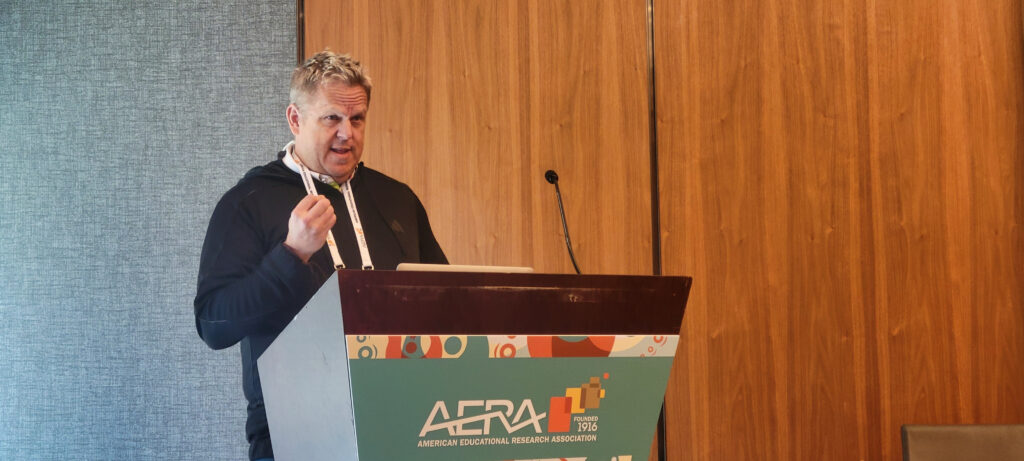
Presenting “When Is RI-LTA Necessary? Model Choice and the Representation of Change in Latent Transition Analysis” at the 2026 AERA Annual Meeting in Los Angeles.
Research
Current Research
My current research develops and evaluates quantitative methods for studying heterogeneity and change in behavioral, psychological, and educational data. This work focuses on mixture modeling, longitudinal latent variable models, simulation, and post-estimation inference, with particular attention to how model specification and analytic decisions influence statistical inference.
Current projects include Monte Carlo research on random-intercept latent transition analysis, methods for distal-outcome inference and variance decomposition in mixture models, and large-scale methodological reviews of latent transition analysis practice. Across these projects, I use reproducible workflows in R, Mplus, and Quarto to translate technical findings into practical guidance for applied researchers.
Teaching
Teaching & Research Training
My teaching focuses on helping researchers develop a strong conceptual and practical understanding of quantitative methodology. I teach research methods, quantitative analysis, and statistical reasoning in psychology and the social sciences.
In these courses, students learn to design rigorous studies, evaluate statistical assumptions, and apply advanced modeling techniques to real research questions. My goal is to help researchers move beyond mechanical use of statistical software and develop the methodological reasoning necessary to conduct transparent and reproducible research.
Institute
The MIX Institute
The MIX Institute is a research and training initiative focused on quantitative methods, mixture modeling, and collaborative research.
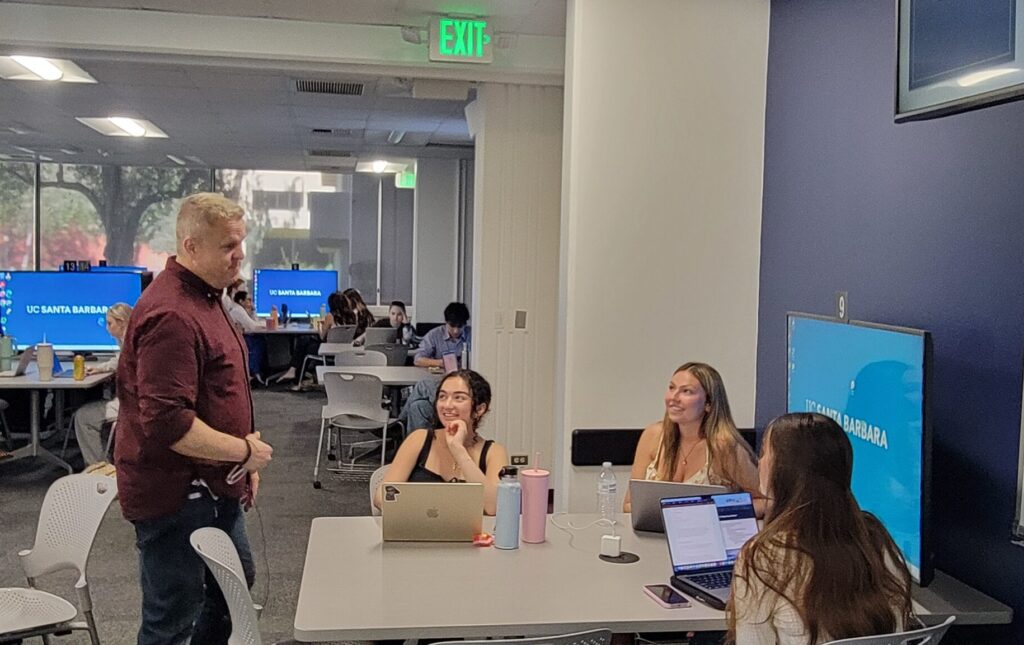
The Institute provides structured opportunities for students to participate in literature synthesis projects, secondary data research, and quantitative methods workshops while contributing to ongoing research projects.
Publications
Selected Publications
Carter, D. B. (2026). Behavior Research Methods, 2026
Carter, D. B., Plunkett, S. W., Alpizar, D., Ainsworth, A. T., & Laganá, L. Journal of Psychopathology and Behavioral Assessment, 2026
Nylund-Gibson, K., Arch, D. A., & Carter, D. The Quantitative Methods for Psychology, 2026
Nylund-Gibson, K., Garber, A. C., Carter, D. B., Chan, M., Arch, D. A., Simon, O., Whaling, K., Tartt, E., & Lawrie, S. I. Psychological Methods, 2023
Romero, L. S., O’Malley, M., & Carter, D. Journal of School Psychology, 2025
Lawrie, I. L., Carter, D., Nylund-Gibson, K., & Kim, H. S. Frontiers in Psychology, 2025